
As we jump into spring and enjoy the warm weather days, the fresh air and outdoor exercise help us get our daily dose of vitamin D (30 minutes a day). For some of us, this is an easier task than for others. The diagnosis of osteoporosis can be a little daunting and scary, so that is why we decided to bring you insight into the diagnosis and some helpful nutritional information as well.

What is Osteoporosis?
May is Osteoporosis Awareness Month. Osteoporosis simply means that our bones have lost their mass or density. They are not as strong as they were when we were younger and are instead more fragile, putting us at risk of fractures. Osteopenia is a diagnosis that means that our bones are starting to lose their mass or density; this is a precursor to osteoporosis.
Approximately 25 million people in the United States are affected by osteoporosis. It is estimated by the National Osteoporosis Foundation that this year, two million fractures will occur in people over the age of 50 because of osteoporosis–40% of them women and 13% of them men. There are many things that we can do to prevent the osteopenia that leads to osteoporosis, and it starts at a young age. What we can do to prevent it is also what we can do to treat it.
Calcium Could Make Things Worse
It has been the belief for many years that we need to increase our calcium intake to compensate for the loss of bone density, but that simply is not what the research is showing. The Nurses Study at Harvard published its findings after following 78,000 nurses for over 12 years, finding that those who consumed two or more glasses of milk a day had twice the risk of a hip fracture than those who drank one glass a week or less. This is just one of many studies illustrating that increased calcium intake increases our risk for fractures. This is because our bones are made up of 65% calcium phosphate, which makes our bones hard, and 35% collagen matrix for flexibility. It is really important that we feed our bodies the proper nutrients to keep the collagen healthy so that they are more flexible. Too much calcium makes them too hard and therefore more susceptible to fractures.
What to Include in Your Diet
Our bodies need many nutrients and minerals to keep our bones healthy, like vitamins D, C, K, B6, folic acid, zinc, manganese, copper, boron, phosphorus, magnesium, and healthy fats like omega 3 (EPA and DHA). You usually can find all of these in a good multivitamin and an omega 3 supplement. Ideally, we should try to get these nutrients and healthy fats in our food.
Eat five to seven servings of vegetable portions a day as well as fruit servings, preferably organic if possible. These can be incorporated into a smoothie with coconut water.
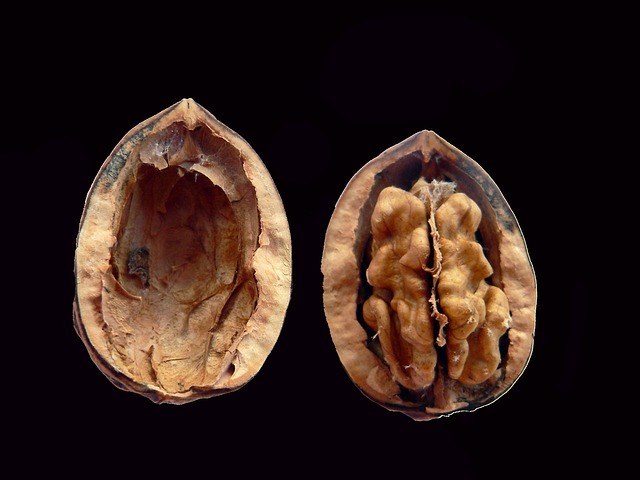
Add sunflower, pumpkin and flax seeds, walnuts, and almonds as a good source of healthy fats and minerals. These can also be added to a smoothie.
Oils like butter, extra virgin olive oil, flaxseed, unrefined sesame seed oil, and coconut oil are all good sources of essential fatty acids. Again, you can throw them in your smoothie.
Animal products that are grass fed and naturally raised are important for the omega 3 fatty acids.
It is important to understand that eating a diet that is slightly alkaline will help with the prevention and treatment of osteoporosis. Dairy, non-grass fed beef, sugar, and processed foods are all very acidic when metabolized by the body. These foods cause an acidic environment that leaches calcium and other vital minerals from our bones, leaving us more susceptible to osteoporosis.
Exercise is a major component of prevention and treatment. At least 30 minutes of exercise a day is recommended. We need an exercise routine that is weight bearing (like walking) but also includes things like light weights for pushing and pulling exercises. I like the “Pilates for Buff Bones” workout because anyone at any age can do it, even with osteoporosis and/or back and neck problems.
The diagnosis of osteoporosis or osteopenia should not be scary but a wake-up call that we need to do something different, and there is no better day than today to do something different–what a wonderful gift to give yourself and your family! Be well, active, healthy, and happy.
— Pamela Flores RN Integrative Nutritionist, Holistic Health Care Provider, pamela@nourishingbodyandsoul.org
Select Home Care provides quality in home care for the elderly and disabled. Call us today at (877) 230-3160 to learn more about our services. We have locations across the US, including Pasadena, Westlake Village, and Las Vegas.